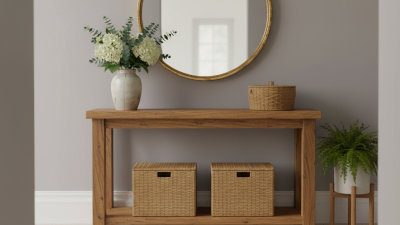
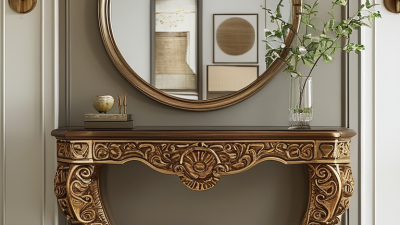
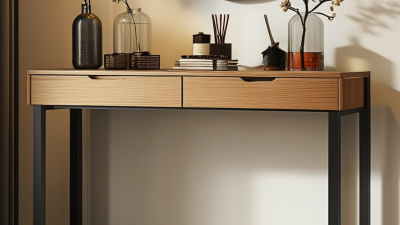
Top 10 Hallway Table Types for Global Buyers
Choosing the right hallway furniture can shape a property’s first impression. For global buyers, a Hallway Table must balance appearance, durability, storage, and shipping practicality. This guide introduces ten table types suited to apartments, hotels, offices, and residential developments. Each option serves a different space and purchasing goal.
Slim console tables work well beside narrow entrances. Storage consoles hide keys, documents, and small accessories. Nesting tables offer flexibility when room layouts change. Pedestal designs create a stronger visual focus. Wall-mounted tables save floor space and simplify cleaning. Reclaimed wood models add character, but their color may vary. Metal and glass tables often suit modern commercial interiors. Marble-topped designs look impressive, yet their weight can increase freight costs. Folding or modular tables help buyers manage changing projects. Accessible-height designs may support more inclusive environments.
Details matter. Buyers should check dimensions, load capacity, edge finishing, surface treatment, and assembly instructions. A product photograph cannot reveal every construction detail. Samples, technical drawings, and supplier references provide better evidence. Packaging quality also matters, especially for long-distance delivery. Corners need protection, and hardware should remain clearly labeled. Regional preferences can influence color, storage, and material selection. A warm wood finish may suit a residential lobby, while powder-coated steel may better serve a busy hotel entrance. No single type fits every market. That assumption deserves reconsideration. Reliable sourcing requires comparing certified materials, production consistency, lead times, and after-sales support. The following overview helps global buyers evaluate each Hallway Table type with practical judgment, not appearance alone.
Hallway Table Basics: Purpose, Placement, and Global Market Demand
Hallway tables serve more than decoration. They create a landing place for keys, parcels, lighting, and daily essentials. For global buyers, purpose should guide the choice of table type. Slim console tables suit narrow corridors, while storage benches work better near family entrances. Round occasional tables can soften wider foyers.
Placement needs careful measurement. Leave enough walking space for coats, luggage, and mobility aids. A practical clearance is often about 90 centimeters, but local layouts vary. Check door swings, heating vents, and wall sockets before ordering. I have seen attractive tables fail because drawers opened into the walkway. Small details matter.
Global demand is shaped by smaller urban homes, flexible interiors, and online furniture purchasing. Buyers increasingly compare nesting tables, wall-mounted consoles, pedestal tables, and lift-top designs. Materials also influence regional demand. Moisture-resistant finishes help in humid climates, while stable construction supports long-distance shipping. Suppliers should provide accurate dimensions, load guidance, assembly instructions, and packaging details. Certifications and safety expectations can differ between markets, so assumptions are risky. A low price may attract attention, yet replacement parts and shipping damage can change the real cost. That point deserves more reflection.
Materials, Styles, and Construction Methods by Table Type
Top 10 Hallway Table Types for Global Buyers
Materials, Styles, and Construction Methods by Table Type
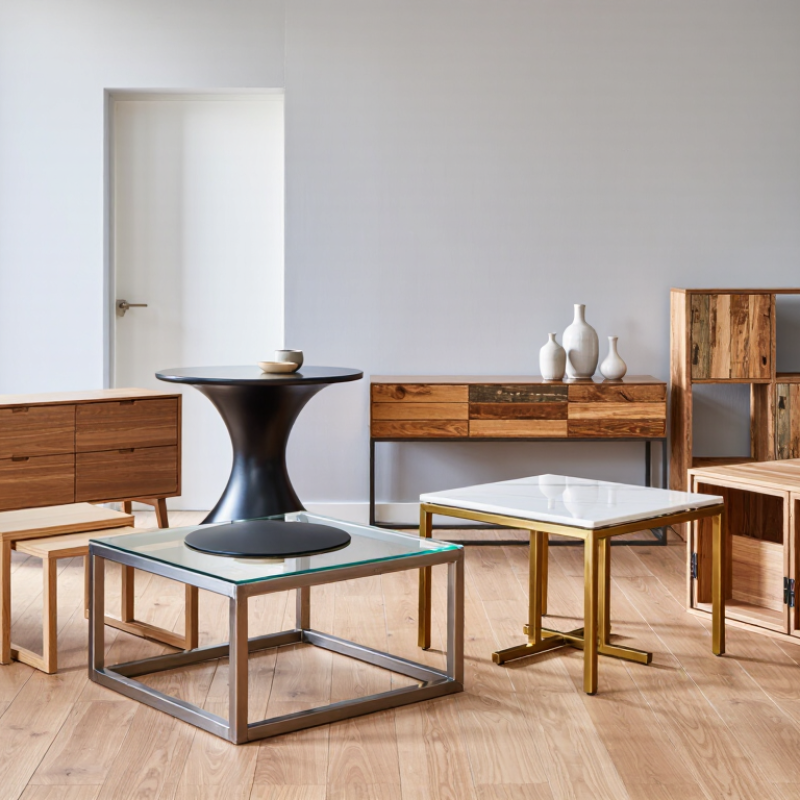
A console table suits narrow hallways and usually uses solid wood, veneer, or metal. Mortise-and-tenon joints add strength, while slim legs preserve walking space. A floating table creates a clean, modern look. It often uses wall-mounted steel brackets beneath a timber or engineered-wood top. A marble-top table feels substantial, but its stone needs careful sealing and reinforced support. A glass table visually expands small entrances, although tempered glass and rounded edges improve safety.
A nesting table offers flexible height and storage. Buyers should inspect rail quality and locking details. A demilune table has a curved front and works well in traditional interiors. Its frame may combine carved wood with hand-finished veneers. A pedestal table concentrates weight through one central base. Cast metal, turned wood, or laminated panels can support this structure. A storage console hides drawers or cabinets behind flat panels. Soft-close hardware helps, but cheap fittings often fail first. A ladder table uses tiered shelves and lightweight tubular metal or bamboo. It needs stable feet on uneven floors. A corner table saves space with triangular construction. Finally, a reclaimed-wood table adds character through visible knots, patched surfaces, and irregular edges. That charm is not always consistent.
Tips: Measure the passageway before ordering. Check moisture resistance for humid regions. Request joint photographs, material samples, and packaging details. I have seen attractive tables arrive with weak corner protection. Packaging deserves more attention. Verify regional safety standards and the supplier’s inspection records before shipment.
Sourcing, Customization, Packaging, and Import Considerations
Global buyers should match hallway table types with local demand. Console tables suit narrow entrances, while shoe benches need stronger joints and tested load capacity. Nesting tables offer flexible retail presentation. I recommend requesting material samples, moisture readings, finish swatches, and assembly drawings before placing a large order. Small details decide margin.
Customization should cover dimensions, edge profiles, hardware, colors, carton labels, and instruction sheets. Yet excessive options can weaken production control. A practical first order uses two or three standard sizes, then tests customer feedback. The World Bank’s Logistics Performance Index 2023 shows major differences in customs, infrastructure, and delivery reliability across markets. Therefore, suppliers should quote both factory lead time and port-to-door assumptions. I have seen attractive quotations fail because inland transport was ignored.
Packaging deserves engineering, not decoration. OECD reports that packaging represents about 40% of global plastic waste, making material reduction commercially and environmentally relevant. Use corner guards, molded pulp, compression testing, and moisture barriers where appropriate. UNCTAD’s Review of Maritime Transport 2023 states that over 80% of global merchandise trade by volume moves by sea. Long voyages expose weak cartons quickly. Ask for carton dimensions, cubic volume, gross weight, pallet plans, and drop-test records. Sea freight is slower. A damaged table is slower still. Importers should verify tariff classification, product origin documents, labeling rules, and destination safety requirements with qualified customs professionals. Mistakes remain possible, especially when product materials change mid-order.
Top 10 Hallway Table Types for Global Buyers
Sourcing, customization, packaging, and import-readiness benchmark
How to read this chart: Each category is scored from 1 to 10 using practical sourcing criteria. Higher scores indicate broader supplier availability, stronger customization potential, more efficient packaging, or easier international import handling. The benchmark reflects common furniture construction and logistics characteristics rather than company or brand performance. Console tables and nesting tables generally offer strong customization and packaging flexibility, while stone-top and glass-top designs require more protective packaging and careful freight planning.