How to Choose the Perfect Hallway Table for Your Home?
Choosing the right hallway table for your home can be a challenging task. A hallway table not only serves a functional purpose but also enhances your home's overall aesthetics. It acts as a welcoming piece that invites guests while providing a space for key items.
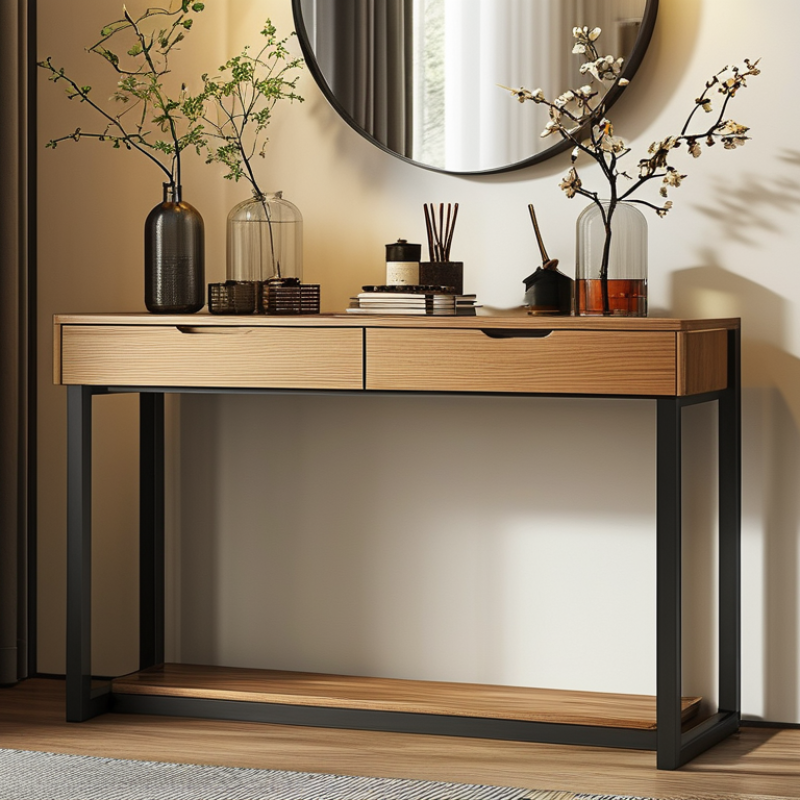
When selecting a hallway table, consider its size and shape. A narrow, elongated table may fit snugly in tight spaces. Materials should match your existing decor for a harmonious look. Wood offers warmth, while metal can add a modern touch.
Reflect on your needs as well. Will you use it for storage, decor, or both? A table with drawers can hide clutter but might limit surface space. Think of how the hallway table will impact the flow of your home. An ill-placed table can disrupt movement. Balancing functionality with style is crucial.
Understanding Your Space: Measuring for the Ideal Hallway Table Size
Choosing the right hallway table starts with understanding your space. Accurate measurements are essential. A well-sized table enhances flow while improving aesthetics. Industry studies suggest that the average hallway width ranges from 36 to 42 inches. This gives you a framework for selecting a table that fits comfortably without obstructing movement.
Aim for a table height that complements other furniture. Standard dining table height is about 30 inches, while console tables can range from 28 to 34 inches. This ensures that the table doesn’t feel too high or low compared to surrounding pieces. Width matters too. A table should ideally be narrow enough to allow for easy passage. A depth of 12 to 18 inches is typical for most hallways.
While measuring, consider the table's functionality. Elemental details, such as decorative items or storage needs, influence size. Reflect on how the table will interact with wall fixtures and other furnishings. A common oversight is opting for style over practicality. Ensure there’s sufficient space to comfortably maneuver alongside your chosen piece. It may be tempting to select a large, striking table, but sometimes less is more. Finding balance can lead to unexpected beauty in simplicity.
Selecting the Right Style: Matching Your Hallway Table to Your Home Decor
When selecting a hallway table, aligning it with your home decor is crucial. The style, color, and materials should resonate with your existing space. A rustic wooden table complements a farmhouse aesthetic. In contrast, sleek metal options suit modern environments. Consider how your choice enhances or disrupts your overall design vision.
Pay attention to scale. A bulky table can overwhelm a narrow hallway. Conversely, a tiny table might not provide enough surface area for essentials. Measure your space carefully. A well-proportioned piece can create balance and harmony.
Incorporate various textures for visual interest. A glass tabletop might pair well with a wicker base. This combination adds depth without cluttering the visual field. Reflect on how each element in the hallway interacts. Achieving this synergy takes time and exploration. Don't rush your decision; it should feel right in the context of your home.
Material Matters: Choosing the Best Materials for Durability and Aesthetics
When choosing a hallway table, the material you select plays a crucial role in both durability and aesthetics. Wood is often a popular choice due to its timeless appeal and sturdiness. According to industry reports, hardwood options like oak and walnut can last for decades. These materials not only withstand wear but also age beautifully over time. However, they may require periodic maintenance, like polishing, to preserve their finish.
Metal frames are another option. They offer a modern look and high durability. With finishes like powder coating, metal can resist scratches and rust. However, the cold feel and potential for dents in softer metals might not suit every home. A study showed that households with high foot traffic prefer metal for its resilience. It’s essential to consider how the material aligns with your lifestyle and the overall design of your space.
Glass surfaces are sleek and visually striking. They enhance the sense of space in narrow hallways. Yet, they can be challenging to maintain, as they show fingerprints and smudges easily. If you choose glass, be prepared to clean regularly to keep it looking its best. Choosing the right material requires careful thought and sometimes compromises. Balancing aesthetic desire with practical limitations is key in creating a welcoming entryway.
Functional Features: Incorporating Storage and Practical Elements
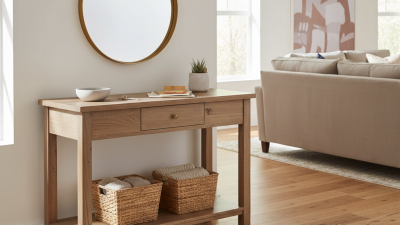
When selecting a hallway table, functionality is key. Consider styles that feature built-in storage to reduce clutter. Shelves, drawers, or compartments can store everyday items like keys, mail, or even shoes. This keeps your hallway organized and visually appealing. Using baskets on shelves creates a charming storage solution while offering easy access.
Think about the dimensions of the table in your space. A narrow table can fit snugly against walls. However, if it’s too small, it might not serve its purpose well. The height is also important; you want it to match surrounding furniture. Mixing styles can create an interesting look but ensure coherence in design.
The material choice can affect both durability and aesthetics. Wooden tables tend to offer warmth, while metal options provide a sleek vibe. Reflect on how different finishes can affect the room’s feel. Sometimes, imperfections in design add character. An eclectic mix of textures can create depth in your hallway.
How to Choose the Perfect Hallway Table for Your Home? - Functional Features: Incorporating Storage and Practical Elements
| Feature |
Description |
Benefits |
| Storage Options |
Shelves, drawers, or cabinets for storing items |
Keeps space organized and clutter-free |
| Material |
Wood, metal, glass or a combination |
Affects durability, maintenance, and style |
| Size |
Height, width, and depth suitable for your hallway |
Ensures it fits well without overcrowding |
| Style |
Modern, traditional, industrial, etc. |
Complements existing home decor |
| Functional Elements |
Lighting, seating, or decor integration |
Enhances usability and aesthetic appeal |
| Budget |
Cost considerations for selecting the table |
Helps in finding the right balance between quality and price |
Budgeting Wisely: Determining Your Price Range for a Hallway Table
Budgeting for a hallway table is crucial. Begin by assessing your financial readiness. Determine how much you're willing to spend. A good range can be between $100 and $500, depending on materials and size. Consider less expensive options if your budget is tight. You might find unique vintage pieces that add character.
It’s easy to get carried away. You may fall in love with a high-end design. But do remember to reflect on your priorities. A stylish table should also be functional. Ask yourself if you really need a statement piece. Measure the space before making any decisions. Sometimes, a simpler design might fit better.
Consider additional costs like shipping or assembly. These can add up quickly and affect your budget. You might also want to think about maintenance. A higher price tag does not always guarantee durability. Keep in mind your lifestyle as well. Sometimes, it's wise to opt for practicality over aesthetics.
Budgeting for Your Hallway Table