• Call Support 86-0596-2628755

What Are the Top 10 Bookshelf Types?

Choosing the right Bookshelf is no longer only a matter of storage. It also shapes room flow, visual balance, and everyday comfort. Grand View Research’s Home Furniture Market Analysis identifies growing demand for adaptable, design-led furniture. This trend reflects smaller homes, flexible workspaces, and changing household routines. A shelf now supports books, plants, framed photographs, and even discreet cable management.

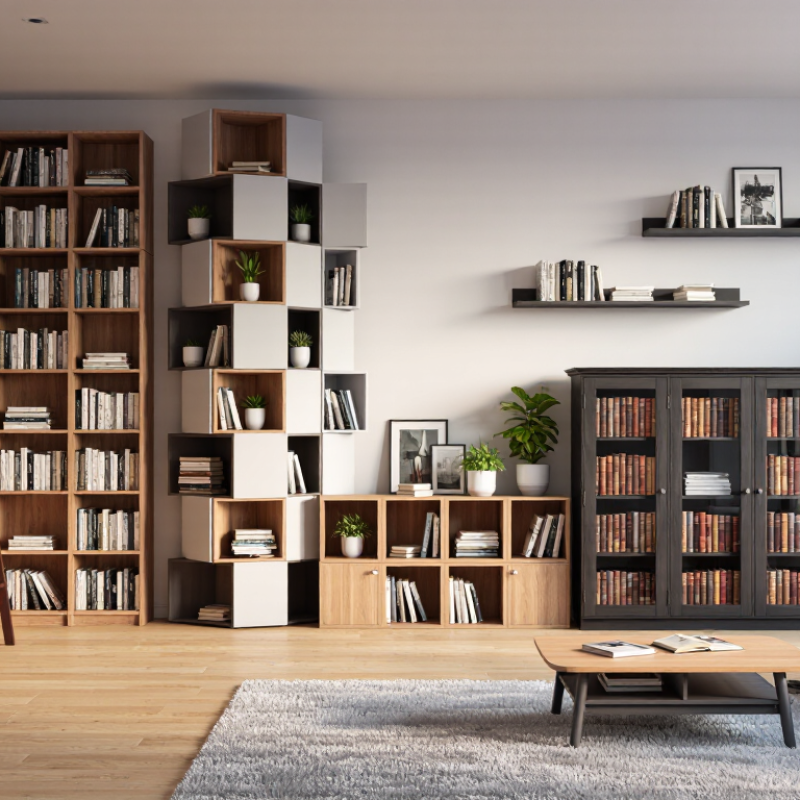
The ten leading bookshelf types answer different spatial and practical needs. Freestanding bookcases offer easy relocation. Built-in shelves create a tailored architectural look. Ladder shelves suit narrow corners, while corner units use overlooked space. Modular systems support changing collections. Cube shelves provide clear compartments. Floating shelves reduce floor pressure. Barrister bookcases protect older volumes behind glass doors. Room dividers separate zones without building a wall. Rotating shelves improve access in compact rooms.

Each option has limits. A tall unit may waste space in a low-ceilinged room. A floating design may look elegant but require careful wall assessment. Mordor Intelligence’s furniture market research highlights customization and multifunctionality as important consumer trends. Those findings support a practical comparison, rather than a purely decorative ranking. Yet market reports rarely show how a shelf feels during daily use. That gap matters. Reach height, dust, assembly quality, and tipping resistance can change the experience completely. The best choice depends on the reader’s collection, room measurements, wall material, and habits. Measure twice. Then choose with evidence, not impulse.
What Are the Top 10 Bookshelf Types?

Defining Bookshelf Types by Structure, Function, and Placement

What Are the Top 10 Bookshelf Types?

Bookshelf types become clearer when structure, function, and placement work together. A freestanding bookcase offers flexible storage and usually suits living rooms, bedrooms, or offices. A built-in unit uses wall space efficiently, but its fixed position demands careful planning. Wall-mounted shelves keep floors open and work well above desks or narrow consoles. They need secure wall support, especially when holding heavy reference books.

A ladder shelf uses a stepped frame for display and light storage. Its leaning shape adds height without feeling bulky. Cube shelving provides separate compartments for books, baskets, and small objects. A modular system can change as your collection grows, although loose sections may look visually uneven. Corner shelving fits unused angles and helps small rooms feel more organized. It can be awkward for oversized books.

A rotating bookshelf offers access from several directions and suits reading corners. A room-divider shelf separates spaces while allowing light to pass through. An under-stair unit uses difficult space effectively, but irregular measurements increase installation effort. I have found that placement often matters more than appearance. A beautiful shelf beside a damp window may damage books over time. Dust, sunlight, floor level, and daily reach should guide the final choice. I still underestimate dust.
Freestanding Bookshelves: Features, Advantages, and Common Uses

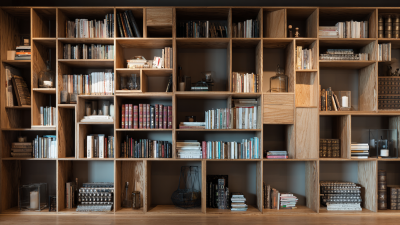
Among the top ten bookshelf types, freestanding bookshelves remain a flexible choice for changing homes. They stand independently, so you can reposition them without rebuilding a wall. Their open sides make books, plants, framed photos, and storage baskets easy to reach. Many designs use wood, metal, or engineered panels. Each material affects weight, stability, and maintenance. A tall unit can use vertical space efficiently, while a low shelf works well beneath windows. However, appearance should not decide everything. Check the shelf depth, spacing, and stated weight capacity before buying.

Freestanding bookshelves suit living rooms, bedrooms, home offices, and small reading corners. They can divide a room without blocking light completely. Adjustable shelves are useful for oversized books and changing storage needs. In homes with children, pets, or uneven floors, stability deserves extra attention. Anti-tip hardware can reduce movement, especially for narrow or tall units. Measure doorways, ceiling height, and the intended wall first. A common mistake is forgetting the baseboard, which may leave an awkward gap. I still think “almost fits” usually means “measure again.”

Tips: Place heavier books on lower shelves. Keep weight balanced from left to right. Leave a little space around each book for easier removal. Inspect joints and fasteners after moving the unit. If the shelf wobbles, stop loading it and correct the problem.

Wall-Mounted and Built-In Bookshelves for Space Efficiency

What Are the Top 10 Bookshelf Types?

Bookshelves can shape a room as much as they store books. The ten common types include wall-mounted, built-in, ladder, corner, cube, floating, modular, leaning, rotating, and freestanding shelves. Wall-mounted bookshelves work especially well in compact rooms. They use vertical space while leaving the floor clear for movement. A floating shelf above a desk can hold reference books, a lamp, and small storage boxes. Built-in bookshelves offer a more permanent solution. They can fill an unused alcove, surround a doorway, or cover an entire study wall. Proper measurements matter. Leave enough depth for books, but avoid creating a narrow walkway.

From my experience planning home storage, built-ins feel calmer when their lines match the wall and ceiling. Adjustable sections also handle different book sizes more effectively. However, they cost more and are harder to change later. Wall-mounted units are easier to reposition, yet installation quality is critical. Solid masonry, timber studs, or suitable anchors should support the expected load. I once underestimated the weight of art books. The shelf began to tilt. That mistake changed how I check fixings and spacing.

Tips: Measure your tallest books first. Mark the shelf height with removable tape. Keep heavier volumes lower. Use a level before tightening screws. Leave a small gap around built-ins for seasonal movement and easier maintenance. Consider cable routes if lighting will be added. A clean design is not always the most practical one. Sometimes, visible brackets provide better support and easier inspection.

Ladder, Corner, and Modular Bookshelves for Flexible Storage

What Are the Top 10 Bookshelf Types?

Bookshelves vary by shape, strength, and placement. The ten most useful types include ladder, corner, modular, cube, floating, wall-mounted, etagere, barrister, leaning, and standard tiered shelves. Ladder bookshelves suit narrow rooms because their tapered frames leave floor space visible. Their open design also makes books easy to reach. Choose wide feet and a stable back brace. Always check the stated weight limit.

Corner bookshelves turn awkward angles into practical storage. Measure both walls before buying or building one. A small error can block a doorway. Modular bookshelves offer greater flexibility. You can stack, separate, or rearrange units as your collection changes. They work well in rentals, home offices, and children’s rooms. However, loose modules may shift when heavily loaded. Secure tall sections to the wall, especially in active households.

In my experience, cube shelves handle mixed storage best. Baskets, records, and paperbacks fit neatly inside. Floating shelves create a clean appearance, but they require strong anchors and careful leveling. Standard tiered shelves remain dependable for heavier hardcovers. I once underestimated shelf depth and created wasted space behind small books. That mistake changed my measuring routine. Leave room for hand clearance, future purchases, and ventilation near electronic devices. Wood can swell in damp rooms, while metal may feel cold and industrial. The best choice depends on your wall structure, storage habits, and willingness to adjust the layout later.

What Are the Top 10 Bookshelf Types? - Ladder, Corner, and Modular Bookshelves for Flexible Storage

Rank Bookshelf Type Typical Configuration Typical Width Typical Height Storage Capacity Best Use Flexibility Main Consideration
1 Modular Bookshelf Separate units that can be stacked, aligned, or rearranged 30–90 cm per unit 60–240 cm Medium to very high Changing storage needs, home offices, and growing book collections ★★★★★ Connections and wall anchoring may be needed for tall arrangements
2 Ladder Bookshelf Leaning or freestanding frame with shelves that widen toward the bottom 45–80 cm 150–200 cm Low to medium Small rooms, displays, and lightweight books or accessories ★★★★☆ Upper shelves usually hold less weight than lower shelves
3 Corner Bookshelf Triangular or angled shelves designed to fit into a room corner 35–70 cm per side 120–200 cm Medium Using otherwise unused corner space in bedrooms, living rooms, and offices ★★★★☆ Corner dimensions should be measured carefully before purchase
4 Standard Etagere Open vertical frame with evenly spaced horizontal shelves 60–100 cm 150–220 cm High General-purpose book storage and open room displays ★★★☆☆ Open shelves collect dust and may require anti-tip protection
5 Cube or Grid Shelf Square or rectangular compartments arranged in a repeated grid 60–180 cm 60–180 cm Medium to high Books, storage bins, records, toys, and decorative objects ★★★★☆ Fixed cubby sizes can limit storage for oversized books
6 Floating Bookshelf Wall-mounted shelves with concealed or minimal visible brackets 40–120 cm per shelf 15–30 cm per shelf Low to medium Minimalist rooms, reading nooks, and narrow wall areas ★★★☆☆ Wall type, anchors, and load limits are important for safe installation
7 Built-In Bookshelf Custom-fitted shelving integrated into a wall or alcove Custom measurement Custom measurement Very high Libraries, home offices, alcoves, and full-wall storage ★★☆☆☆ Provides excellent space use but is difficult to relocate
8 Barrister-Style Bookcase Stacked compartments, often with individually hinged glass-front doors 60–100 cm 100–200 cm Medium to high Protecting books from dust while maintaining a traditional appearance ★★☆☆☆ Doors add weight, cost, and clearance requirements
9 Ladder-Style Wall Shelf Wall-mounted shelves arranged in a stepped or staggered profile 40–100 cm 80–180 cm Low to medium Decorative storage in compact spaces and narrow passage areas ★★★★☆ Usually better suited to selected books and objects than heavy collections
10 Rotating Bookcase Freestanding tower that turns around a central vertical axis 35–60 cm diameter 120–180 cm Medium Bedrooms, study corners, classrooms, and spaces needing access from multiple sides ★★★★☆ Requires a level floor and adequate clearance for rotation
Typical dimensions and capacity ranges are general furniture-planning estimates; actual specifications vary according to shelf material, construction, spacing, and load rating.

Choosing the Right Bookshelf Type for Your Room and Collection

What Are the Top 10 Bookshelf Types?

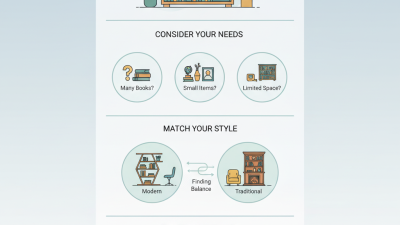
Choosing the right bookshelf begins with your room, not your book count. A standard bookcase suits a dedicated wall and mixed-size collections. A ladder shelf feels lighter in compact rooms, but its upper levels can be awkward to reach. Cube shelves work well for books, baskets, and display objects. They also encourage quick sorting. Corner shelves use neglected space, while wall-mounted shelves keep floors clear. Check the wall structure before installation. Plasterboard may require suitable anchors and careful weight limits.

For a flexible collection, modular shelving allows sections to grow over time. Built-in shelves create a polished appearance and can follow unusual wall dimensions. A leaning shelf adds a relaxed look, although it needs secure support. Revolving shelves fit beside a desk or bed, but their capacity is limited. A room-divider bookcase can separate a living area without blocking all natural light. Measure twice. I learned that crowded shelves make even a beautiful room feel smaller.

Choose shelf depth according to your books. Most paperbacks need less space than large art books. Keep heavier volumes on lower levels for stability. Leave a little empty space; it makes browsing easier and reduces visual clutter. My own first arrangement looked attractive but ignored daily access. The books I used most often ended up behind decorative objects. A practical bookshelf should support real habits, not just photographs. Consider light, dust, cleaning access, and nearby furniture before deciding.