Essential Tips for Choosing the Perfect TV Stand?
Choosing the right TV Stand can greatly enhance your living space. According to furniture expert Emily Harper, “A well-chosen TV Stand can elevate your entire entertainment experience.” This highlights the importance of not only functionality but also aesthetics when selecting this key piece of furniture.
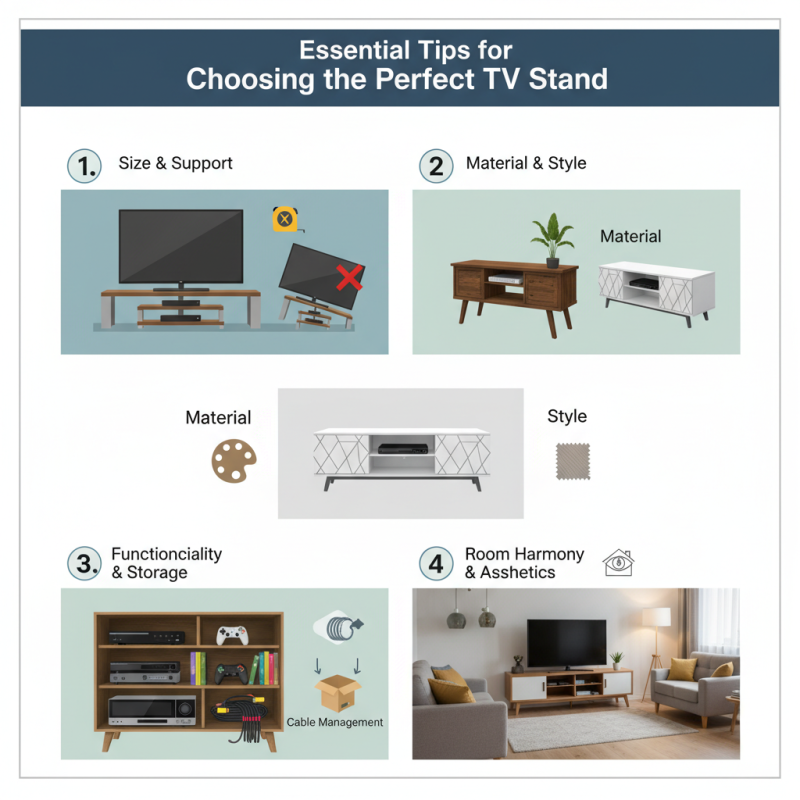
Many consumers overlook critical factors while shopping for a TV Stand. Size, material, and design play a vital role in compatibility with your TV and room layout. A stand that is too small may not support your TV securely. Conversely, one that is too large can overwhelm your space.
Functionality is equally important. Consider storage options and cable management features. A cluttered space can detract from your viewing experience. Ask yourself if the design aligns with your style. A mismatch can leave you dissatisfied. Ultimately, a well-considered selection can serve as a focal point in your home, reflecting your taste and enhancing your comfort.
Understanding Different Types of TV Stands and Their Features
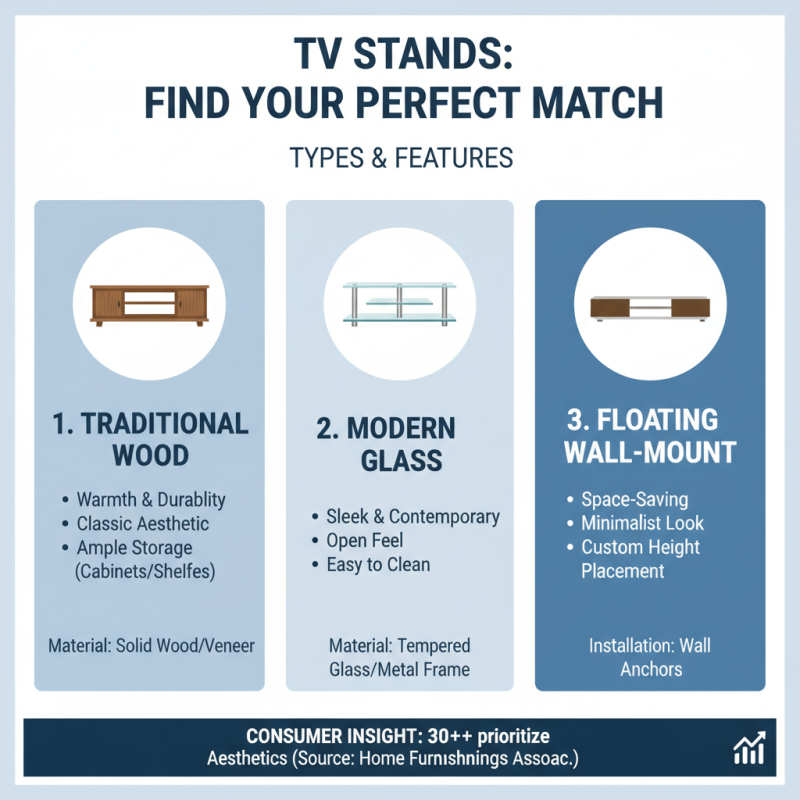
When choosing a TV stand, it’s crucial to understand the various types available. Each style offers unique features tailored to different needs. For instance, a traditional wooden TV stand exudes warmth and durability. Another option is the modern glass stand, which provides a sleek, contemporary feel. According to a recent report by the Home Furnishings Association, over 30% of consumers prioritize aesthetics when selecting furniture.
Consider the size and weight of your television. A sturdy stand is essential to support larger screens. A stand should ideally hold up to 20% more weight than your TV. If you’re often rearranging your space, a lightweight option may be beneficial. Many families choose multi-functional stands that offer storage solutions. These pieces can conceal cables and media, reducing clutter in your living room.
Tip: Measure your TV and designated space before making a selection. This ensures that the TV stand fits seamlessly into your setup. It's also wise to check for stability features in the design. Some consumers overlook this aspect, leading to potential hazards. Remember that a well-chosen TV stand enhances both style and safety in your home.
Assessing the Size and Dimensions of Your TV Stand
When choosing the right TV stand, size and dimensions are crucial. Start by measuring your TV. Know both the width and height. This ensures the stand can support your TV adequately. A stand should not be too narrow or too low. It should complement the TV's proportions for a balanced look.
Consider the room's layout. A stand that fits snugly in your space enhances visual appeal. If the stand is too large, it can overwhelm the room. Conversely, a small stand may look lost. Think about the height as well. The ideal height allows for comfortable viewing. Aim for the center of the screen to be at eye level.
Here are some tips:
- Always leave extra space for equipment like consoles.
- Choose a stand with shelves if you have multiple devices.
- Pay attention to the stand's build quality. A sturdy design is essential for safety.
- Observe how it integrates with your existing furniture.
- Reflect on your style preferences and practicality.
- Avoid rushing this choice; a thoughtful selection leads to better satisfaction.
Choosing the Right Material for Durability and Aesthetics
When choosing a TV stand, the material plays a critical role. Various options are available, and each has its pros and cons. Wood is a popular choice due to its classic look and durability. However, it can be heavy and expensive. Metal stands are sleek and often more affordable, but they may lack the warmth of wood. Choosing the right material often reflects personal style.
Think about the room's overall design. A glass TV stand can create a modern and spacious feel. Yet, glass can show fingerprints and scratches easily. Consider how much wear and tear the stand will endure. Families with kids or pets might prefer sturdy materials that withstand daily use. Finally, the color and finish of the material can significantly affect the room's atmosphere. Make sure it harmonizes with existing furniture.
Essential Tips for Choosing the Perfect TV Stand
This chart displays the durability ratings of different materials commonly used for TV stands. Wood stands out as the most durable, while particle board has the lowest rating. Consider these factors when choosing the perfect stand for your TV.
Evaluating Storage Options: Shelves, Cabinets, and Drawers
When selecting the perfect TV stand, evaluating storage options is crucial. Shelves, cabinets, and drawers each serve different purposes. According to a recent industry report, around 72% of consumers prioritize storage solutions for their entertainment centers. This statistic highlights the importance of considering how you use your space.
Open shelves can create an airy feel in a room. They provide quick access to gaming consoles and decorative items. However, they require regular upkeep to prevent clutter. In contrast, cabinets can hide away DVDs and tech accessories. They safeguard items from dust. On the downside, cabinets can make spaces feel confined.
Drawers are another excellent option for concealed storage. They can seamlessly blend into the overall design. However, if not used properly, they can turn into a catch-all for miscellaneous items. Tip: Measure your space before choosing a stand. This will ensure that your selected option complements your room’s aesthetic and functional needs. Balancing style with practicality can help you create a harmonious environment. Always remember to consider your lifestyle when choosing storage solutions.
Design Tips for Integrating Your TV Stand into Home Decor
When integrating a TV stand into your home decor, consider the surrounding elements. Your stand should complement the overall style of your room. For a modern aesthetic, opt for sleek lines and minimalist designs. In a traditional setting, a wooden stand with intricate details can harmonize beautifully.
Choose colors that coordinate with your walls and furniture. If your room has neutral tones, a bold stand can serve as a striking focal point. However, balancing colors is crucial. Too much contrast can disrupt the harmony of the space. If you're unsure, a classic black or white stand often works well.
Placement is key. Position the TV at eye level for comfortable viewing. Ensure the stand allows enough space for decorative items, like plants or books. This adds personality to your setup. However, avoid overcrowding. A cluttered stand can make the area feel chaotic. Finding that balance is an ongoing challenge.
Ask yourself how each element interacts with one another. It’s not just about the stand; it’s about the entire aesthetic. Reflect on your choices. Does everything work together? Does it feel cohesive? Your answers will guide your final decisions.