Top Hallway Table Trends for 2026 What You Need to Know?
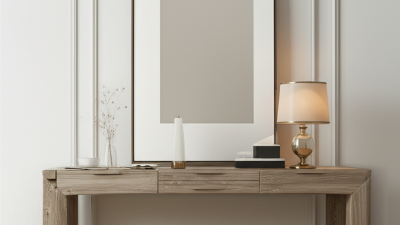
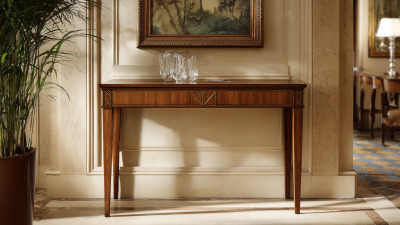
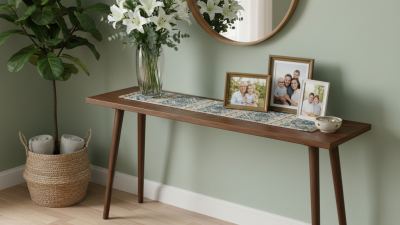
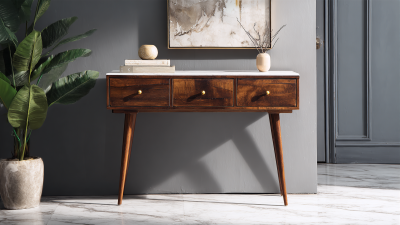
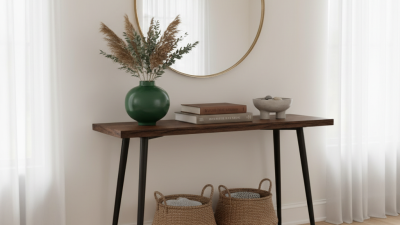
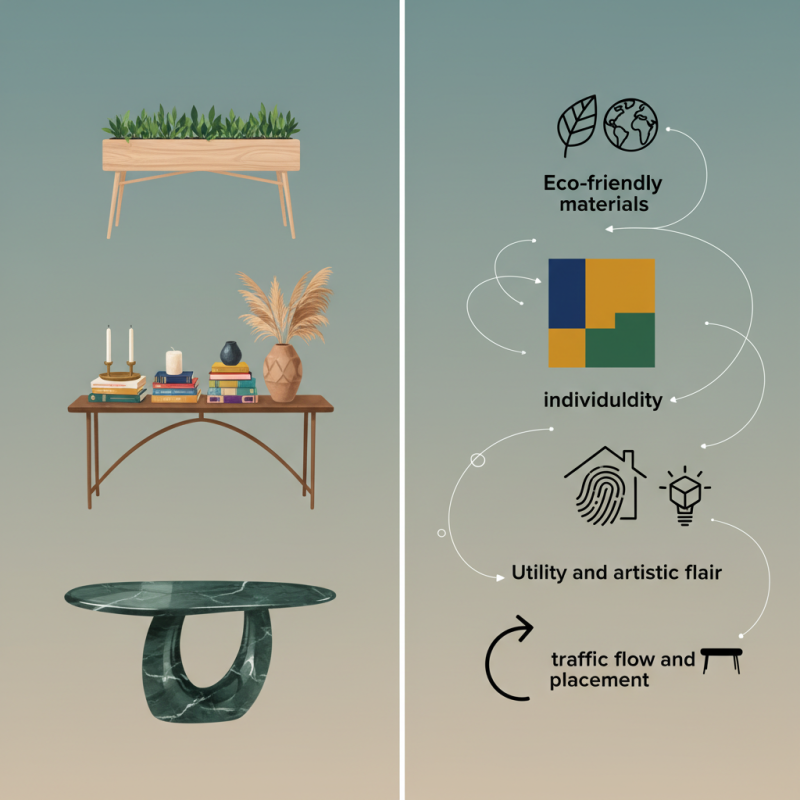
As we approach 2026, the world of interior design is rapidly evolving. One piece that captures attention is the "Hallway Table." This functional yet stylish furniture has transformed into a focal point in homes. Hallway tables now blend utility with artistic flair, creating an inviting entrance. They can be minimalist, maximalist, or unique in shape, offering versatility for various home styles.
Trends indicate a movement towards eco-friendly materials and bold colors. Designers emphasize the need for individuality. A hallway table can reflect personal style while serving practical purposes, such as storage or display. However, the balance between beauty and function can often be challenging. Some designs may prioritize aesthetics at the expense of usability.
Another aspect to consider is the placement of hallway tables. They should not hinder foot traffic but enhance the flow of the space. Thoughtfulness in design ensures these tables are more than mere furniture; they become conversation starters. As trends unfold, staying aware of these changes can help homeowners make informed choices. Hallway tables are poised to play a significant role in home decor in the years to come.
Top Hallway Table Trends for 2026: A Comprehensive Overview
As we look towards 2026, hallway table trends are evolving remarkably. Modern designs emphasize functionality and aesthetics. Research indicates that multifunctional furniture will dominate, with 72% of consumers seeking practicality in their home decor. This highlights a shift towards furniture that serves multiple purposes.
Sustainability is becoming a priority. Studies show that 66% of buyers prefer eco-friendly materials. Reclaimed wood and recycled metals are gaining popularity. These materials not only enhance the look but also contribute to environmental conservation. However, sourcing high-quality recycled materials remains a challenge.
Texture and color play a significant role in 2026 designs. Bold colors and mixed materials will be seen frequently. This allows for customization in any space. Yet, it can be difficult to balance boldness with existing décor. Buyers must engage deeply with their choices to ensure cohesion.
Key Materials Shaping Hallway Table Designs in 2026
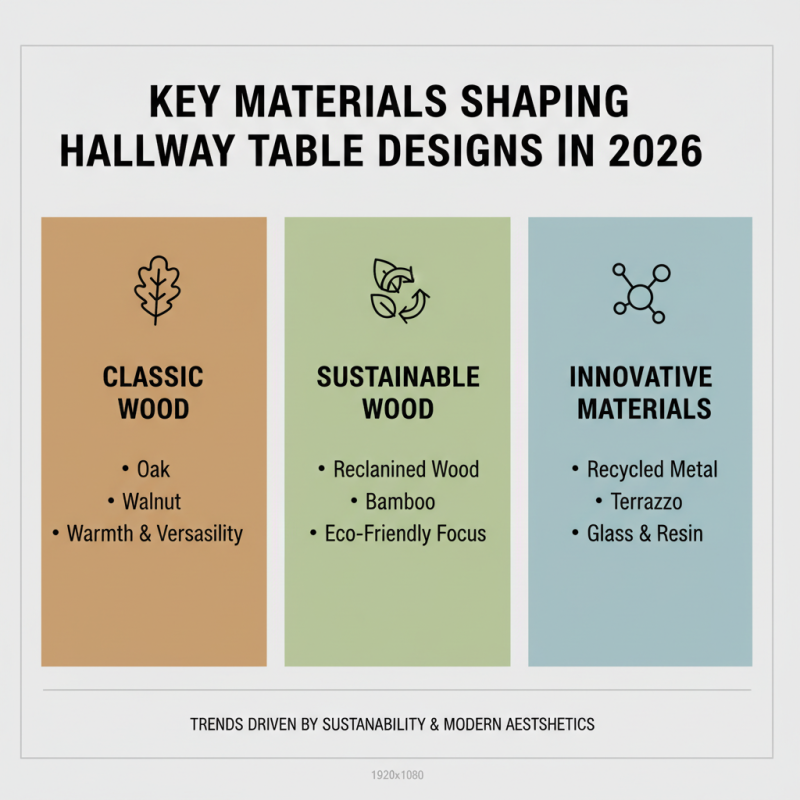
As we look toward 2026, hallway table designs are being transformed by innovative materials. Wood remains a staple, valued for its warmth and versatility. Oak and walnut pieces can create a classic feel. However, the trend leans towards using sustainable options, such as reclaimed or bamboo wood. These choices reflect a growing emphasis on eco-friendliness.
Metal is on the rise in hallway table designs. Stainless steel and brass bring a modern touch. Their sleek finishes can contrast beautifully with softer materials. This combination captures an industrial aesthetic while maintaining a cozy vibe. Glass is another material gaining popularity. It provides an illusion of space, making narrow hallways feel more open.
Experimentation is key. Designers explore mixed materials, combining textures to add depth. Yet, this approach can lead to over-cluttered designs if not executed carefully. It’s essential to strike a balance between boldness and harmony. Keep in mind that the best hallway tables serve both beauty and functionality. The materials chosen should reflect a homeowner's lifestyle and values.
Color Schemes: The Popular Palettes for Hallway Tables in 2026
In 2026, the color schemes for hallway tables are expected to embrace both bold and subtle palettes. Deep jewel tones, like emerald green and sapphire blue, will dominate, offering a luxurious feel. These colors add elegance and depth to narrow spaces, transforming the traditional hallway. Soft pastels, such as blush pink and baby blue, will also be popular. They provide a gentle contrast, brightening up the environment and creating a welcoming ambiance.
Tips: When choosing colors, consider the existing decor. Ensure the hues complement walls and flooring. For a modern look, pair bold colors with metallic accents. This combination can elevate the visual appeal of any hallway table setup.
Additionally, earthy tones, such as terracotta and olive, will gain traction. These natural shades resonate with the sustainable living movement. They bring a rustic charm that is both warm and inviting. However, balance is key—too many bold colors can overwhelm a space. Aim for a harmonious blend, allowing each choice to enhance the overall aesthetic.
Top Hallway Table Trends for 2026: Color Schemes for Hallway Tables
| Color Scheme |
Description |
Popularity (%) |
| Earthy Tones |
A mix of browns, greens, and muted colors reflecting nature. |
25% |
| Pastel Shades |
Soft pinks, blues, and yellows for a gentle and inviting feel. |
20% |
| Monochrome |
Different shades of a single color for a sleek, modern look. |
35% |
| Bold Contrasts |
High-impact color combinations for a striking appearance. |
15% |
| Neutral Combinations |
White, gray, and beige for a timeless and subtle piece. |
5% |
Innovative Functions and Features of Hallway Tables for 2026
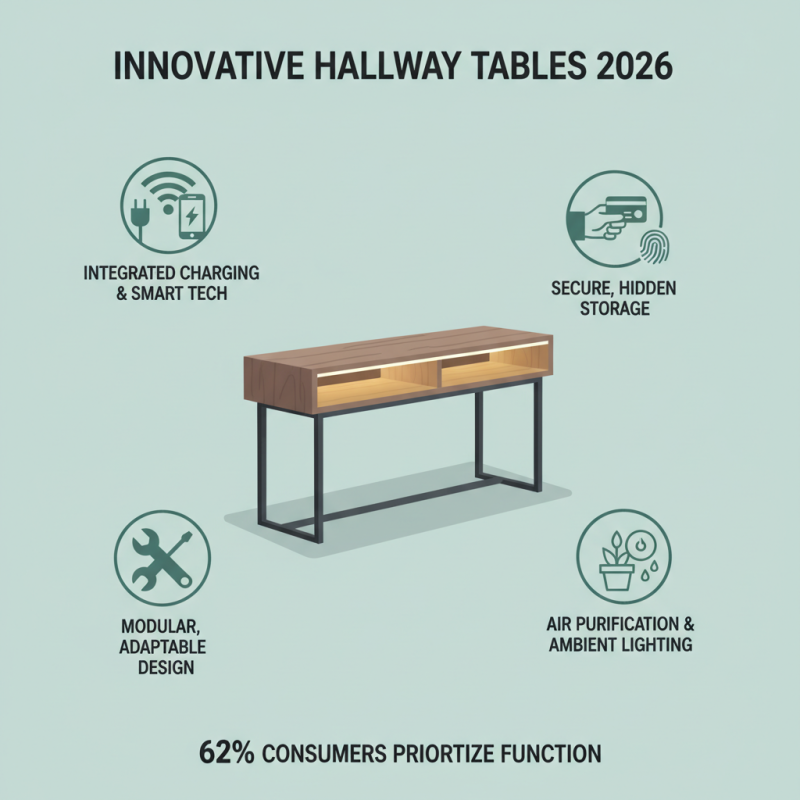
As we approach 2026, hallway tables are evolving to incorporate innovative functions and features tailored to modern lifestyles. According to industry reports, 62% of consumers prioritize functionality when choosing furniture pieces. This shift highlights a desire for versatile designs that blend seamlessly into everyday life.
One significant trend is the integration of smart technology into hallway tables. These tables may feature built-in charging stations and smart speakers, making them functional hubs in the home. Additionally, multifunctional designs that combine seating, storage, and display surfaces are gaining popularity. Reports indicate that 48% of homeowners value such versatility for maximizing their limited space.
Tips for selecting a hallway table: Focus on designs that offer hidden compartments. They help maintain a clutter-free environment. Consider materials that balance aesthetics and durability, like metal or reclaimed wood. Such elements enhance both style and longevity. A table with adjustable features can also adapt to changing needs.
Innovation isn't just about technology; it's also about sustainability. Eco-friendly materials and production methods are increasingly sought after. As consumers become more environmentally conscious, this aspect may define future trends in hallway table design.
Market Analysis: Consumer Preferences for Hallway Tables by 2026
As we move toward 2026, consumer preferences for hallway tables are evolving. A significant trend is the demand for multifunctional furniture. Homeowners seek pieces that serve multiple purposes, such as storage and display. This desire for versatility reflects changing living spaces, where efficiency is key.
Materials are also a focal point in this market analysis. Consumers are leaning towards sustainable options. Eco-friendly materials such as reclaimed wood and bamboo are gaining traction. Many feel a responsibility to choose environmentally conscious products. This trend signals a shift towards thoughtful consumption.
Aesthetics remain crucial as well. Sleek, minimalist designs are gaining popularity. However, there’s a noticeable interest in unique, artistic creations too. Consumers desire hallway tables that spark conversation and reveal personal style. Understanding these preferences is vital for retailers. They must adapt to meet evolving demands while maintaining quality and authenticity.