Why Choose the Right TV Stand for Your Living Room?
Choosing the right TV stand is crucial for your living room. A suitable TV stand enhances your overall space. It serves both functional and aesthetic purposes.
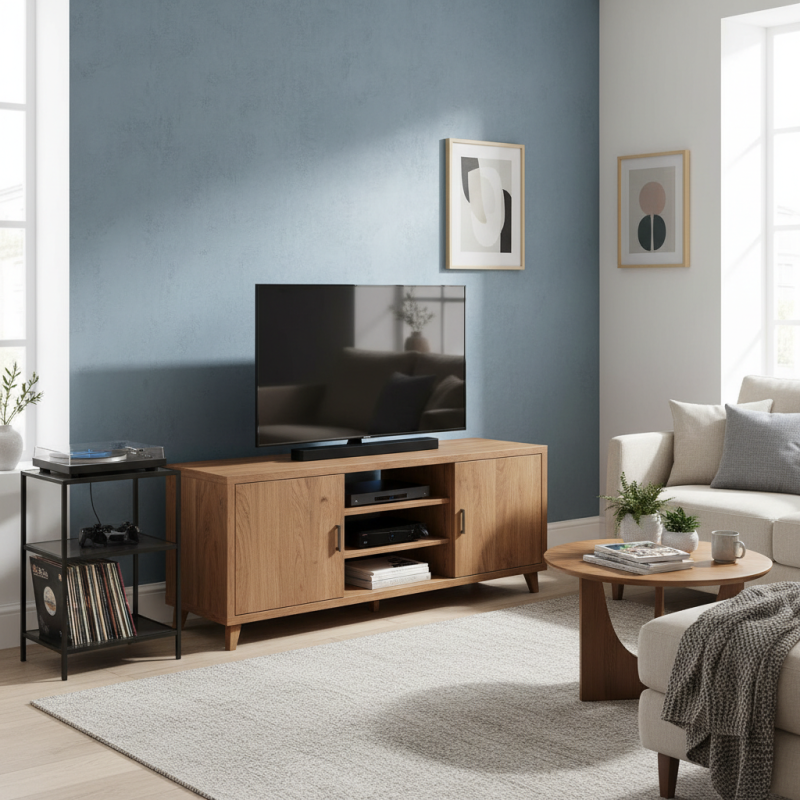
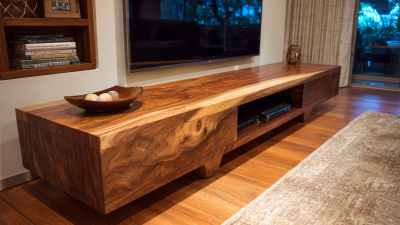
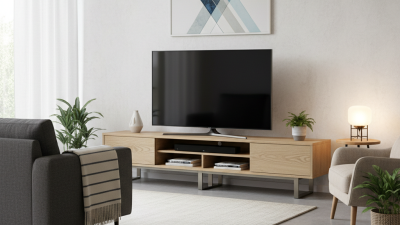
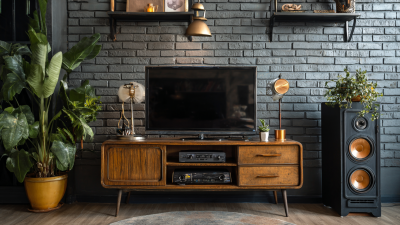
Imagine a beautifully designed stand made of wood. It could hold your TV and provide storage for other devices. Or picture a sleek, modern metal stand that complements your home decor. The right TV stand can tie the room together perfectly.
However, many people overlook this important piece of furniture. A poorly chosen stand can clash with your style or fail to support your TV. It’s essential to consider size, material, and design. Reflect on your preferences to find that perfect match.
Factors to Consider When Choosing a TV Stand for Your Living Room
Choosing the right TV stand is essential for any living room. It not only holds your TV but also contributes to the overall aesthetic. According to a recent industry report, nearly 70% of homeowners consider the design of their TV stand a crucial factor in their decor.
When selecting a TV stand, size is key. The stand should complement the room's layout. It should not overwhelm the space or feel too small. Some people prefer adjustable options for flexibility. Others find fixed stands more appealing. A study indicated that 55% of consumers prefer stands with multiple shelves for added storage. This functionality helps keep remotes and media organized.
Consider materials and color. Wood offers warmth, while metal can add a modern edge. However, wood can warp in humid conditions. This is an important point for those living in such climates. Color choice should reflect personal taste but also fit the room’s theme. Too often, mismatched colors create a chaotic feeling. Finding the perfect balance can require multiple trials.
Types of TV Stands: Which One Suits Your Style and Space?
Choosing the right TV stand involves understanding various styles that suit your living room. According to a recent report from Furniture Today, 72% of consumers prioritize functionality when selecting furniture. This means your stand should not only look good but also support your tech needs.
There are several types of TV stands to consider. For example, a corner TV stand can maximize space in smaller rooms. In contrast, a wall-mounted unit may create a sleek, modern look. On average, consumers spend about $200 on TV stands, but this varies widely. While some prefer rustic wooden designs, others lean towards glass or metal finishes. It's advisable to choose based on your existing decor. Reflect on your style—does the stand enhance your living room's atmosphere or clash with it?
Many make impulsive decisions, drawn to trendy designs without considering practicality. Avoid this pitfall. Ensure the height is right for viewing and that you have enough storage for equipment. In a survey, 55% of participants wished they considered storage options more carefully. This data highlights the importance of thoughtful selection. A TV stand should blend seamlessly with your lifestyle while meeting your needs. The right choice can transform your living space into a cozy movie corner or a sleek entertainment hub.
Why Choose the Right TV Stand for Your Living Room? - Types of TV Stands: Which One Suits Your Style and Space?
| Type of TV Stand |
Material |
Style |
Best For |
Approx. Price Range |
| Console TV Stand |
Wood |
Traditional |
Large Spaces |
$200 - $600 |
| Floating TV Stand |
MDF |
Modern |
Small Spaces |
$100 - $300 |
| Corner TV Stand |
Wood or Glass |
Contemporary |
Unused Corners |
$150 - $400 |
| TV Cabinet |
Wood |
Rustic |
Stylish Storage |
$300 - $800 |
| TV Cart |
Metal |
Industrial |
Mobility |
$70 - $250 |
The Importance of Size and Dimensions for Your TV Stand
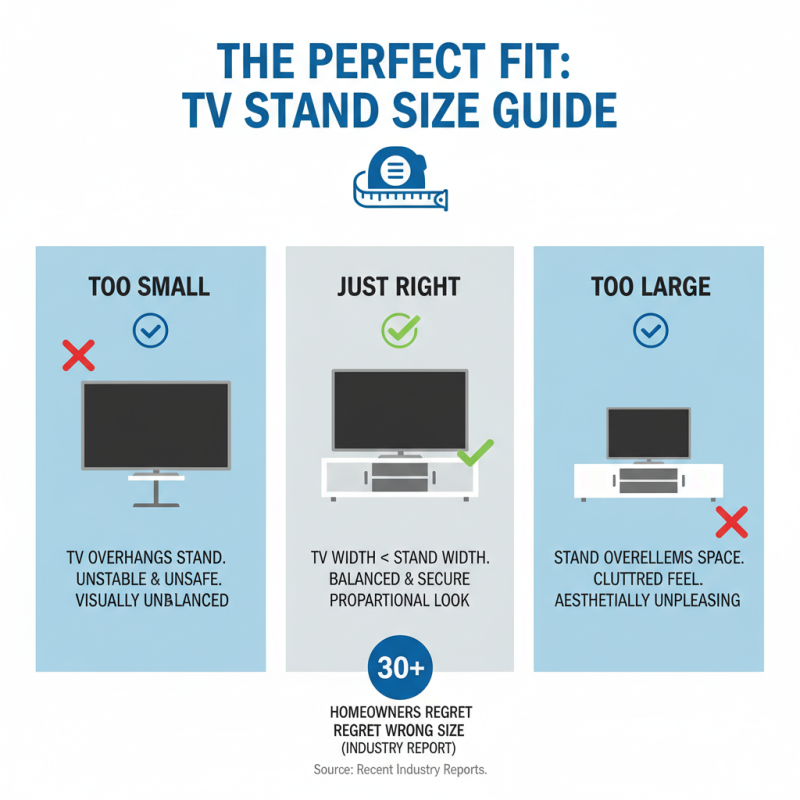
When choosing a TV stand, size and dimensions are crucial. An ill-fitting stand can dominate a room. According to recent industry reports, over 30% of homeowners have experienced dissatisfaction with their TV stands due to poor sizing. A stand that's too small can make a massive television seem out of place. Conversely, a stand that is too large can overwhelm your living space.
Ideally, your TV stand should match the dimension of your TV. It should be at eye level when seated. This creates a more enjoyable viewing experience. A typical guideline suggests that the stand should be at least 1.5 times the width of the TV. However, only 40% of consumers adhere to this rule. Many rush the decision, prioritizing aesthetics over function.
Dimension is not just about fitting the TV. It also includes space for accessories. Reports indicate that nearly 25% of people underestimate the space needed for gaming consoles, remotes, or streaming devices. Inadequate space can lead to clutter, diminishing the overall enjoyment of your media setup. Consider your entire setup, not just the TV when deciding on size.
Material Choices for TV Stands: Pros and Cons
When selecting a TV stand, material choices play a crucial role.
Wood is classic and sturdy. It adds warmth to the living room.
However, it can be heavy and costly. You may find scratches more visible on dark finishes.
If you choose engineered wood, it’s lighter. But it might not offer the same durability as solid wood.
Metal stands are sleek and modern.
They often fit well in contemporary spaces. However, they can feel cold and uninviting.
You might worry about rust if you live in a humid area.
Glass can be elegant and airy. It helps a room feel open.
Yet, it requires regular cleaning and can break easily.
Imagine a beautiful glass stand that reflects sunlight. Yet, the thought of a child bumping into it could be nerve-wracking.
Each material has its own charm and challenges. It's essential to weigh these pros and cons carefully.
Your choice should reflect both style and practical needs.
Enhancing Functionality: Storage Solutions and Cable Management
Choosing the right TV stand goes beyond aesthetics; it impacts functionality significantly. Storage solutions are key. A recent industry report highlights that 72% of consumers prefer TV stands with cabinets or shelves for easy access to entertainment items. These features help keep the living room tidy. A well-designed stand can conceal clutter and enhance the overall décor.
Cable management is another critical aspect. Studies show that over 80% of people find tangled cords unsightly. Proper cable management solutions, like built-in cable clips or cord covers, can greatly improve the look of your space. However, not every stand achieves this. Some still present challenges, leaving cables exposed or creating a messy appearance. It's essential to consider these functional features when selecting your TV stand, as they can transform the usability of your living room.