How to Choose the Perfect Bookcase for Your Space?
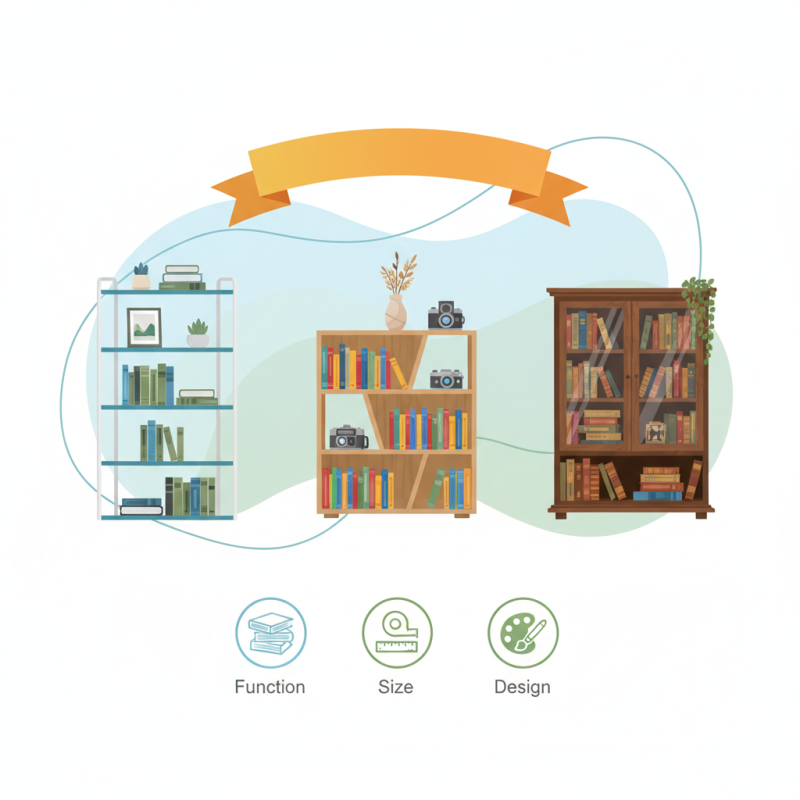
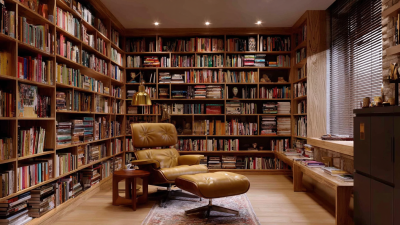
Choosing the right bookcase can transform your space. A bookcase is more than just storage; it reflects your style. Consider its function, size, and design.
Think about what you want to display. Do you need space for books, photos, or plants? A minimalist bookcase can open up a room. But a heavy, dark piece can dominate a small area.
Remember to assess your room's layout. Placement matters; a bookcase in the corner may feel cramped. Be bold with colors and materials. An imperfect bookcase can still bring charm. Reflect on these choices and enjoy the process.
Understanding Your Space: Measuring for the Ideal Bookcase Fit
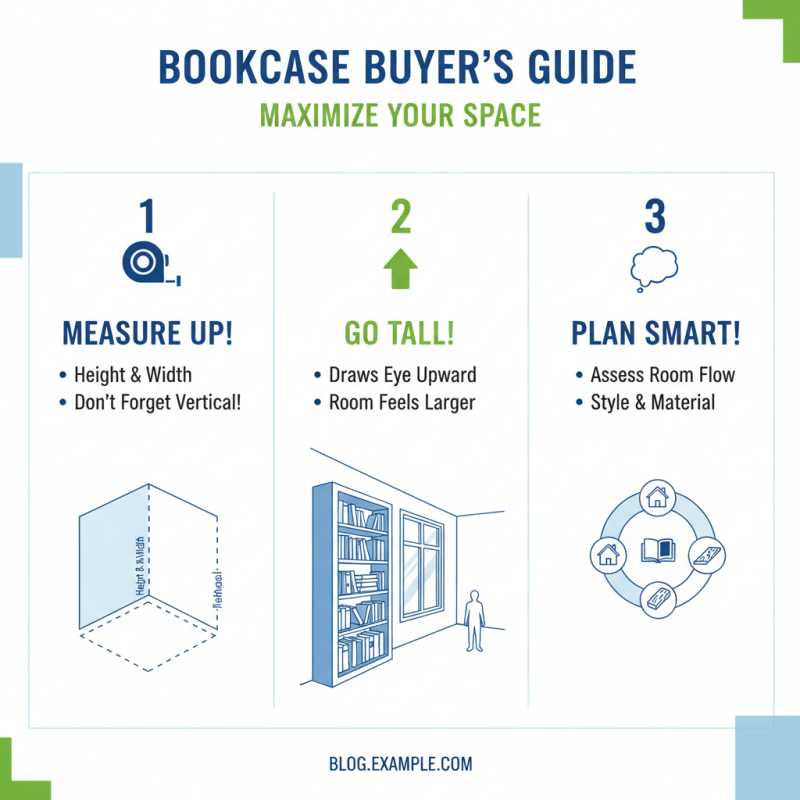
When choosing a bookcase, understanding your space is vital. Start by measuring the area where you intend to place it. Consider both the height and width. A common mistake is underestimating vertical space. Tall bookcases can draw the eye upward and create an illusion of a larger room.
Here are some tips for measuring effectively:
- Use a tape measure to determine height, width, and depth.
- Note any obstructions like windows or doors.
- Ensure there is enough room for movement around the bookcase.
Think about your collection. If you only have a few books, a smaller bookcase may be sufficient. An oversize unit can feel overwhelming and bulky. Reflect on your style. A mismatched bookcase can disrupt a cohesive design. Are you drawn to modern lines, or do you prefer timeless designs?
Reserve some space for decor. Bookcases aren't just for books; they should display personal touches too. Lastly, consider the materials. Wood, metal, and glass offer different aesthetics and durability. A heavy bookcase can be a hassle when rearranging. Always visualize the final look and feel of your space. It’s essential to get this right.
Assessing Your Needs: Functionality vs. Aesthetics in Bookcase Selection
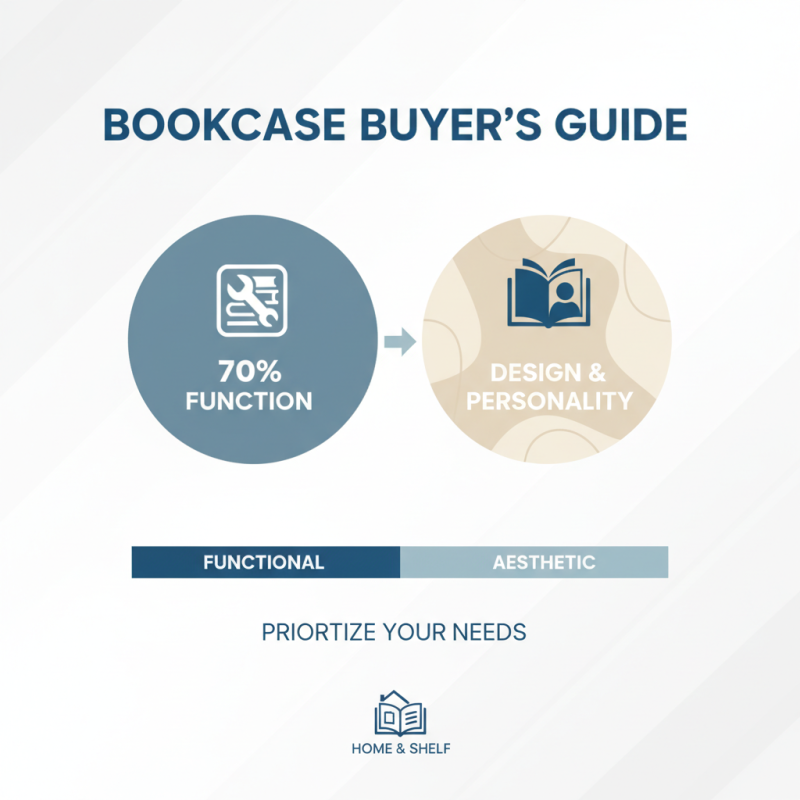
Choosing the perfect bookcase can be challenging. It’s essential to assess your specific needs. Will the bookcase serve a functional purpose, or are you looking for an aesthetically pleasing piece? According to a recent industry report, 70% of consumers prioritize functionality in home furniture choices. However, they also express a desire for design that reflects their personality.
Tips: Consider how many books you have. Measure your space accurately to avoid fitting issues. A common mistake is to overestimate available room, leading to cramped spaces.
On the other hand, aesthetics play a crucial role. Some reports indicate that 65% of buyers wish to enhance their interior decor with stylish bookcases. A beautiful design can invite interest and spark conversations. However, it’s easy to get carried away with looks, compromising storage capacity in the process. Reflect on whether you prefer open shelving or closed units.
Tips: Look for wood finishes and colors that complement your decor. Pay attention to details like shelf height and width to ensure your collection fits well. A practical and beautiful bookcase can elevate your space, but finding the right balance takes thought.
Materials Matter: Choosing Durable and Stylish Bookcase Materials
Choosing the right materials for your bookcase is crucial. Different materials offer varying levels of durability and style. Wood is a classic choice, providing warmth and a timeless look. According to the American Home Furnishings Alliance, nearly 60% of consumers prefer wood bookcases. However, not all woods are created equal. Plywood and engineered wood can be more affordable but may lack longevity compared to solid hardwood.
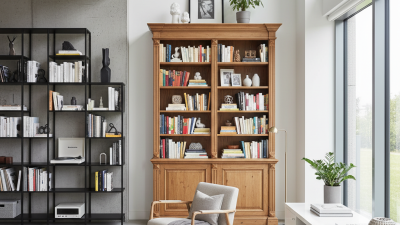
Metal bookcases are another great option. They are modern and sleek, often used in minimalist designs. A report from the Furniture Today states that metal furniture sales have increased by 25% in recent years. Metal can withstand significant weight and is easy to clean. Yet, consider the potential for rust, especially in humid environments.
Tips: When selecting materials, think about your space. Will it be exposed to moisture? If yes, opt for materials that resist warping. If you prefer a vintage look, reclaimed wood or distressed finishes can add character but might need more maintenance. Remember to balance style and function. Your bookcase should not only look good but also serve its purpose well. Keep your lifestyle in mind while making this decision.
Design Styles: Matching Bookcase Styles with Room Decor Trends
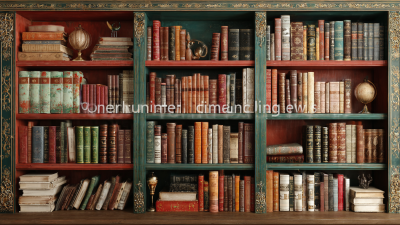
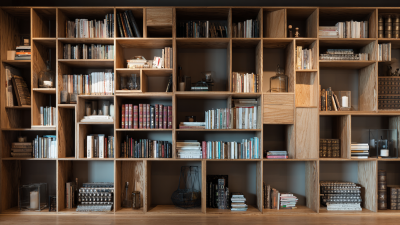
When choosing a bookcase, consider your room's design style. A modern, minimalist room pairs well with sleek, geometric shelves. They create a sense of openness. Alternatively, a rustic space calls for a bookcase with warm, wooden tones. Think reclaimed wood or vintage finishes. These choices add character and warmth.
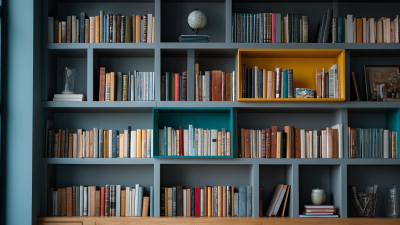
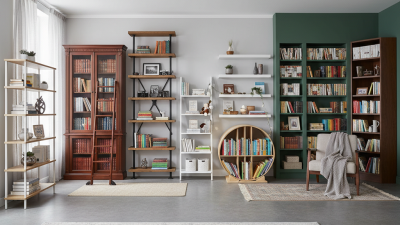
The style of your bookcase should also reflect color trends. For instance, vibrant colors can energize a neutral room. A bold blue or deep green bookcase serves as an eye-catching focal point. Yet, some might feel that a bright bookcase could overwhelm the space. It’s essential to strike a balance between color and cohesion. On the other hand, muted tones work well in eclectic designs. Soft greys or creams blend seamlessly, allowing other decor to shine.
Consider scale, too. A towering bookcase may dominate a small room, making it feel cramped. A shorter, wider design can create a cozy corner. But there’s always the chance that it won’t provide enough storage. Think about what you want to display. Will the bookcase serve as a visual centerpiece or a functional storage solution? Reflect on these factors to find the best fit for your space.
How to Choose the Perfect Bookcase for Your Space?
| Bookcase Style |
Ideal Room Décor |
Material Suggestions |
Color Palette |
| Industrial |
Urban, Modern |
Metal, Wood |
Black, Gray, Natural Wood |
| Scandinavian |
Minimalist, Cozy |
Light Wood, Metal |
White, Pastels, Light Gray |
| Traditional |
Classic, Elegant |
Hardwood, Veneer |
Dark Wood, Rich Colors |
| Contemporary |
Sleek, Bold |
Glass, Steel |
White, Black, Bold Colors |
| Vintage |
Eclectic, Retro |
Reclaimed Wood, Metal |
Muted Tones, Earthy Colors |
Storage Solutions: Organizing Books and Accessories Efficiently in Bookcases
Choosing the right bookcase involves more than just aesthetics. A well-organized bookcase can transform your space. It should accommodate your books and accessories efficiently. Consider how much space you really have. Measure your area before selecting a bookcase.
Mix and match the items on your shelves. Group books by size or color for a neat appearance. Use small baskets for accessories to add style. These can hold items like bookmarks or coasters. Ensure you leave some space empty. An overcrowded shelf can look chaotic. Reflect on how frequently you access your books. Place your favorites at eye level.
Sometimes it’s hard to let go of books you no longer read. You may hold onto them for nostalgia. Be brave and donate or sell those volumes. Creating an efficient bookcase means making tough choices. This leads to a more functional and pleasant environment. Your space should inspire you, not overwhelm you.
Bookcase Storage Solutions: An Analysis of Organized Space