Best Shoe Storage Tips for Organizing Your Footwear Collection?
In today’s fast-paced world, effective Shoe Storage has become essential for many households. According to a recent report by the National Shoe Retailers Association, homeowners waste up to 30% of their space due to poor organization. Expert Amanda Chen, a renowned organizer and author, emphasizes, “A well-organized shoe collection not only saves space but also extends the life of your footwear.”
With the average person owning at least seven pairs of shoes, the need for efficient storage solutions is clear. Effective Shoe Storage not only declutters living spaces but also adds a touch of elegance. However, many face challenges in finding the right methods that suit their lifestyles. Storing shoes improperly can lead to damage and a quicker replacement cycle, which can be costly over time.
Visualizing your shoe collection can ease decision-making about storage options. It’s not about having a perfect system but rather finding one that aligns with your routine. Consider utilizing under-bed storage, shelves, or specialized containers. Reflect on what works for your home, and be willing to adjust as your collection grows.
Choosing the Right Shoe Storage Solution for Your Space
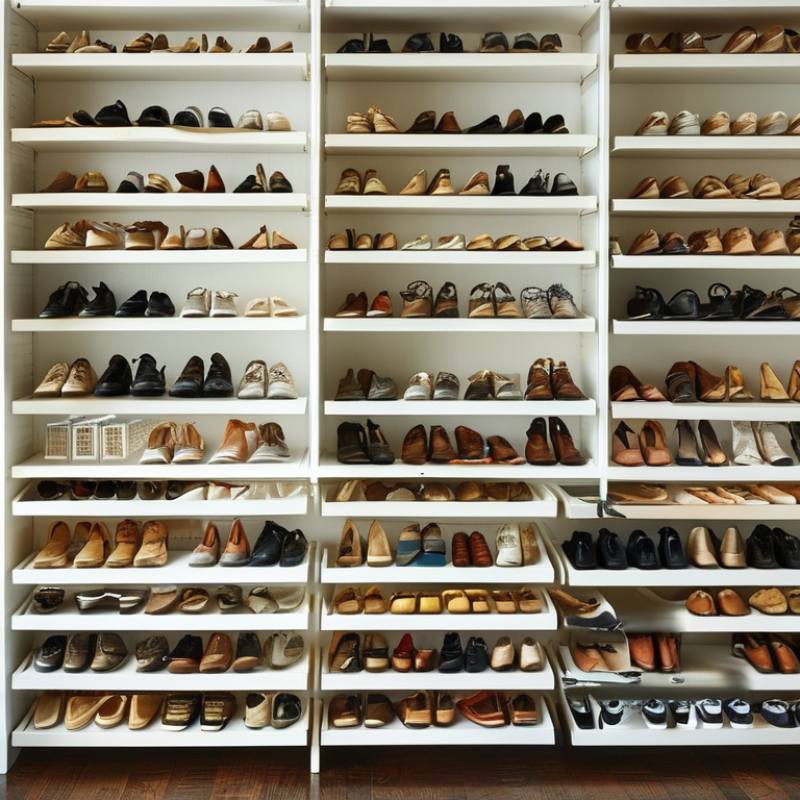
Choosing the right shoe storage solution can significantly enhance your home's organization. Research indicates that 80% of people struggle with shoe clutter. Finding a suitable storage method is essential for maintaining a tidy space. Start by evaluating the available space in your home. Do you have a closet, an entryway, or a dedicated shoe rack?
For small spaces, consider vertical storage options. Stackable plastic bins or shelves can hold multiple pairs without consuming much floor area. A report from the National Association of Home Builders suggests that 54% of homeowners prioritize storage solutions that maximize vertical space. If you have a larger area, an open shelving unit might be ideal. It allows easy access while showcasing your collection.
Footwear should be categorized for better organization. Group by type—sneakers, heels, sandals. This makes finding the right pair effortless. However, many overlook seasonality. Shoes not in use should be stored away properly to prevent damage. It's important to assess which pairs you actually wear. Experts recommend decluttering at least once a year. Reflect on what you need, and make room for footwear that suits your lifestyle.
Maximizing Vertical Space: Shelves and Racks for Shoes
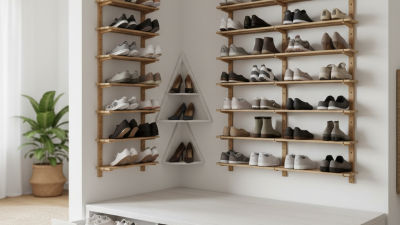
When it comes to organizing your shoe collection, maximizing vertical space is key. Using shelves and racks allows you to take advantage of high walls. Consider installing floating shelves. They can hold boots, heels, and sneakers without consuming floor space. Use clear boxes to store less frequently worn shoes. Labeling the boxes can save time when searching for the right pair.
Over-the-door racks offer another smart solution. They utilize space that often goes unused. Ensure the rack can withstand the weight of your shoes. A mix of hooks and shelves will add variety. You might find that some shoes fit better in certain areas. Experimenting with placements can help you discover what works best.
While these methods can transform your storage, not every shoe will fit perfectly. Some racks may not accommodate bulky styles. It's a learning process to find the right system. Be patient and willing to adjust as your collection grows. Consider decluttering regularly. This can open up space for new arrivals. Your shoe organization should evolve with your needs.
Best Shoe Storage Tips for Organizing Your Footwear Collection
Creative Solutions: Utilizing Baskets and Boxes for Organized Footwear
When it comes to organizing your footwear collection, using baskets and boxes can be a game changer. These creative solutions allow for versatile storage while keeping your shoes easily accessible. Choose baskets made of natural materials for a rustic touch. They can be placed on shelves, in closets, or even under the bed. Clear boxes are excellent for visibility. They help you quickly find that perfect pair without digging through stacks.
Consider size and type when selecting storage. Larger baskets work well for bulky shoes, like boots. Smaller bins are ideal for sandals or sneakers. Labeling each container helps maintain order, especially if you have a diverse collection. It’s essential to reflect on your storage habits. Are you maximizing your space? Do you frequently wear all your shoes? Reviewing these questions can lead to better organization.
Some challenges may arise during this process. Not every shoe fits perfectly in a box. Some baskets may not hold their shape over time. Embrace these imperfections as opportunities for improvement. Perhaps a second look at your footwear choices can help define what needs to stay. Thoughtful organizing can transform your space, allowing you to enjoy your footwear collection fully.
Best Shoe Storage Tips for Organizing Your Footwear Collection
| Storage Solution |
Description |
Benefits |
Ideal For |
| Shoe Baskets |
Woven or plastic baskets used for storing shoes. |
Easy access, versatile style, and customizable layouts. |
Casual footwear and children's shoes. |
| Shoe Boxes |
Clear or opaque boxes for individual shoe storage. |
Protects shoes from dust, maximizes vertical space. |
High-end footwear and seasonal storage. |
| Wall Shelves |
Mounted shelves specifically for shoe display. |
Creates a visual statement, easy to retrieve shoes. |
Frequent-use footwear and stylish displays. |
| Under-Bed Storage |
Space-saving containers that fit under beds. |
Maximizes unused space, keeps shoes out of sight. |
Out-of-season shoes and bulk storage. |
| Shoe Racks |
Open racks that hold multiple pairs of shoes. |
Organized access, prevents damage to shoes. |
All types of footwear and entryway spaces. |
Seasonal Rotation: Tips for Managing Shoes by Season
Managing your shoe collection by season can dramatically enhance organization. A 2021 survey by the American Footwear Association found that the average person owns over 15 pairs of shoes. This can lead to clutter if not managed well. Start by assessing your footwear. Keep only those that fit each season's needs.
Consider using clear storage bins for summer sandals and winter boots. Labeling bins makes it easier to find what you need. Experts recommend rotating your shoes every three months to keep your collection viable. You should also check for wear and tear during seasonal transitions. Shoes sitting idle can deteriorate quickly, even if they look fine.
This seasonal rotation can highlight which styles remain underutilized. Data from the National Shoe Retailers Association suggests over 40% of shoppers buy new shoes each season. Reflect on your choices and ensure you have the right styles for your lifestyle. An organized approach can inspire better shopping decisions and a practical wardrobe.
Maintaining Your Collection: Cleaning and Care Tips for Longevity
Caring for your footwear collection is essential for longevity. Start with regular cleaning. Use a soft brush to remove dirt after each use. For deeper cleaning, a damp cloth works well for leather shoes. Make sure to air dry them afterwards. Avoid exposing your shoes to direct sunlight. This prevents fading and cracking.
Storage is crucial too. Keep shoes in a cool, dry place. Consider using dust bags or boxes for protection. Avoid stacking shoes or placing heavy items on top. This can lead to misshaping. Every now and then, assess your collection. Are there shoes you no longer wear? Letting go can create space for new favorites.
Conditioning leather or suede shoes keeps them supple. Use specialized products to maintain their texture. It’s never too late to learn about proper care. Read tutorials and watch videos if unsure. Dry, neglected shoes can lead to unpleasant surprises. Stay attentive, and your footwear will thank you with longevity.