• Call Support 86-0596-2628755

What Is the Best Coffee Table Made in China?

What Is the Best Coffee Table Made in China? The answer depends on more than appearance. A strong choice must balance material quality, structural stability, finish consistency, safety, and price. It should also fit the room, not merely look attractive in a product photograph.

Industry data supports closer evaluation. Grand View Research’s Furniture Market Size, Share & Trends Analysis Report identifies e-commerce, customization, and sustainable materials as major furniture-market forces. IMARC’s China Furniture Market Report also highlights China’s expanding manufacturing capabilities, export networks, and demand for design-focused products. These reports show opportunity, but they do not prove that every Chinese factory produces reliable furniture.

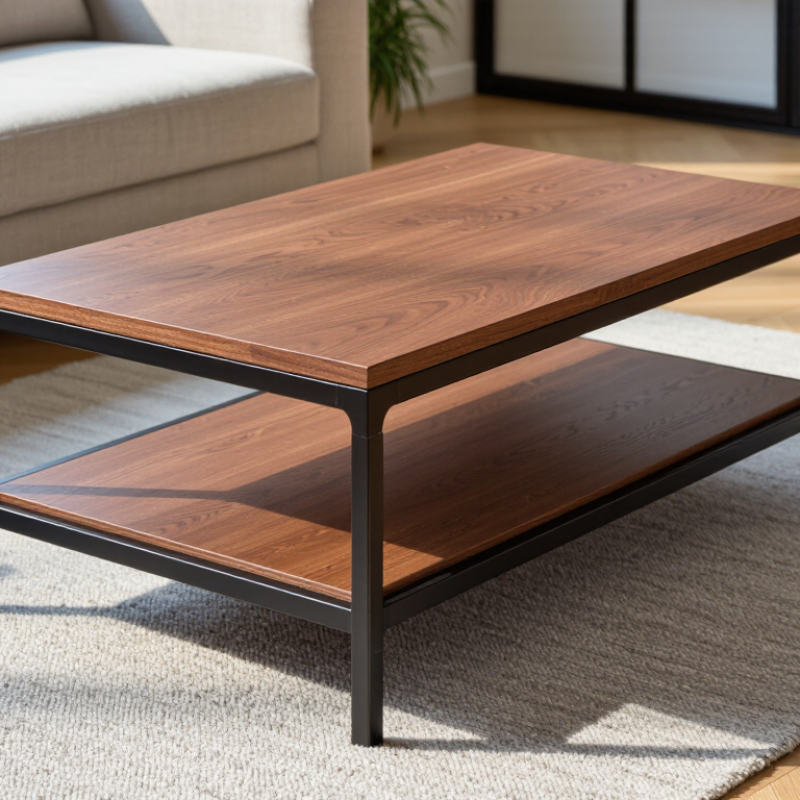
Details matter. Check whether the tabletop uses solid wood, veneer, tempered glass, or engineered board. Inspect edge sealing, joint alignment, surface odor, hardware strength, and packaging protection. A stable Coffee Table should not wobble when placed on a hard floor. The finish should feel smooth, without sharp corners or uneven coating. Certifications and documented testing add confidence, especially for formaldehyde emissions and load performance.

Industrial designer Dieter Rams offered a useful principle: “Good design is as little design as possible.” That idea suits a well-made Coffee Table: clean proportions, practical storage, and no fragile decoration pretending to be quality.

Still, this evaluation has limits. Factory claims can be difficult to verify remotely. A beautiful sample may hide inconsistent batch production. Our shortlist may overlook smaller workshops with excellent craftsmanship. Therefore, the best model is not simply the cheapest or most fashionable. It is the table supported by transparent specifications, dependable quality control, and evidence that survives daily use.
What Is the Best Coffee Table Made in China?

What Defines the Best Coffee Table Made in China?

What Is the Best Coffee Table Made in China?

The best coffee table is not defined by origin alone. It is defined by controlled materials, stable construction, and honest performance claims. CSIL’s World Furniture Outlook 2024 estimates that China produces about 37% of global furniture. That scale creates strong manufacturing expertise, but quality still varies between factories. A reliable table should use documented board grades, traceable timber, and moisture-controlled wood. Ask for test records, not polished product photographs.

Daily use exposes weak details quickly. The tabletop should resist wobbling, edge lifting, and finish damage from warm cups. GB/T 3324-2017 provides technical requirements for wooden furniture in China. EN 12521 also addresses household table strength, stability, and durability. These standards create a measurable starting point. They do not make every table excellent. In factory checks, inspect corner joints, fastener seating, underside bracing, and floor-contact pads. Small gaps often become large problems.

UN Comtrade data places China’s 2023 furniture and parts exports at roughly 70 billion US dollars. That figure shows manufacturing capacity, not automatic quality. Design still matters. A low table should offer comfortable knee space and avoid sharp, fragile corners. Responsible manufacturers disclose dimensions, materials, load guidance, and finish-care limits. Perfection is unrealistic. A hand-finished surface may show slight variation. That is acceptable when disclosed and structurally harmless. The best Chinese-made coffee table combines repeatable engineering with visible human quality control. Measure twice. Test once.
What Is the Best Coffee Table Made in China?

What Defines the Best Coffee Table Made in China?

A high-quality coffee table is defined by balanced proportions, dependable construction, durable materials, and safe everyday usability. The chart below shows practical specification ranges commonly used when evaluating coffee tables.

These measurements are practical furniture-design benchmarks. The ideal specification depends on the room size, seating height, tabletop material, and intended load.

Which Materials and Construction Methods Matter Most?

A well-made coffee table from China starts with material choice, not decoration. Solid hardwood offers stronger screw retention and a warmer tactile surface. However, wood can expand across its grain when humidity changes. Engineered panels provide better dimensional stability and consistent sizing. The U.S. Environmental Protection Agency’s TSCA Title VI limits formaldehyde emissions to 0.09 ppm for particleboard and 0.11 ppm for medium-density fiberboard. Ask for test documentation, not vague “eco-friendly” claims.

Construction details matter under daily stress. A 2023 report from the International Woodworking Fair highlighted growing demand for automated panel processing and precision furniture manufacturing. CNC-cut joints can improve alignment, but machines cannot correct poor material selection. Look beneath the top. Dowels, reinforced corner blocks, and properly seated metal fasteners reduce wobbling. A thin veneer over a stable core may outperform poorly dried solid wood. It is not always intuitive.

Finish quality deserves close inspection. The coating should feel even around edges, corners, and underside surfaces. Water-based finishes may reduce odor, yet curing conditions still affect durability. The American Society for Testing and Materials publishes furniture test methods covering strength, stability, and durability; suppliers should identify the relevant method used. Check whether the table survives repeated loading, not just a showroom inspection. I have seen attractive tables fail at loose joints. That detail is easy to miss. A small sample, humidity test, and written quality checklist often reveal more than polished product photographs.

How to Compare Chinese Coffee Table Styles and Designs?

The best coffee table made in China depends on how its style fits your room, habits, and budget. Chinese manufacturers produce many designs, from Ming-inspired wood tables to slim contemporary pieces. Compare the visual language before comparing prices.

Look at proportion first. A low table with rounded corners suits relaxed seating and small rooms. A rectangular table with storage works better for books, remotes, and family use. Measure the sofa height carefully. The table usually feels comfortable when it sits slightly below the seat cushion. It sounds simple, but many buyers forget this detail.

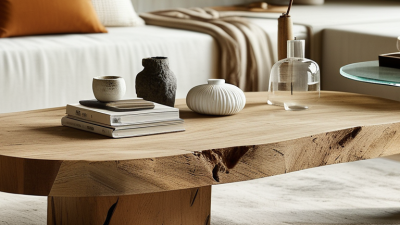
Materials also reveal design quality. Solid wood shows natural grain, while bamboo offers a lighter appearance and practical durability. Stone tops create weight and texture, but they need stronger frames and careful handling. Metal legs can make a table look modern, though thin tubing may feel less stable. Check the joints underneath. Clean welds, even gaps, smooth drawer movement, and a consistent finish are useful signs of professional production. Ask for material specifications, finish details, load testing, and clear care instructions.

Do not judge from photographs alone. Colors can change under showroom lighting. Request close-up images or a sample finish when possible. A glossy surface may look impressive but show fingerprints quickly. I sometimes prefer small imperfections in natural wood because they feel honest, yet uneven construction is not character. Chinese coffee tables can be excellent, but the comparison should remain practical, not purely visual.

What Quality, Safety, and Certification Standards Should You Check?

What Is the Best Coffee Table Made in China?

What Quality, Safety, and Certification Standards Should You Check?

A good Chinese-made coffee table should show clear evidence of controlled production, not just attractive photographs. Check the tabletop for warping, open joints, sharp corners, and unstable legs. Press each corner gently. The table should not rock or twist. Drawers, if included, should open smoothly without pinching fingers. Glass panels need secure supports and polished edges, especially in homes with children.

Ask the supplier for material specifications, factory inspection records, and recent test reports. For wooden furniture, Chinese standards such as GB/T 3324 can help assess construction and workmanship. Formaldehyde emissions should be tested under applicable Chinese requirements, including GB 18584 where relevant. If selling overseas, request reports matching the destination market, such as EN 12521 in Europe or applicable ASTM requirements in the United States. Do not confuse FSC certification with product safety; it mainly concerns responsible wood sourcing. ISO 9001 may show process control, but it does not prove that every table is safe.

Look closely at the coating. It should resist ordinary moisture and leave no strong chemical odor after curing. Verify that test reports identify the same materials, finish, and factory. A certificate can be genuine yet irrelevant. No checklist is perfect. I would still inspect a production sample, because small changes in veneer, glue, or hardware can alter real-world performance.

How to Choose the Right Chinese Coffee Table for Your Space?

Choosing a Chinese coffee table begins with your room, not a product photo. Measure the sofa, walking paths, and nearby cabinets. A useful target is a table about two-thirds of the sofa’s length. Keep roughly 40 to 50 centimeters between the table and seating. This leaves space for knees and cleaning. Small rooms need visual lightness. Open legs or a slim top can help. Still, I sometimes choose a heavier base when children or pets use the room. Stability matters more than a perfect silhouette.

Material affects comfort, maintenance, and lifespan. Solid wood gives warmth, but it may respond to humidity. Engineered panels can remain more consistent when properly sealed. Stone and tempered glass look refined, yet they show fingerprints and need careful edge inspection. Run your hand along the surface. Look for even joints, smooth corners, and level legs. Ask for close-up photos of the underside, hardware, and finish before ordering. Photos can flatter a table. They do not prove construction quality.

A reliable Chinese supplier should provide exact dimensions, material details, packaging information, and replacement procedures in writing. Request a finish sample if color matters. Natural wood can vary, and that is not always a defect. Check load capacity and confirm relevant quality or safety testing for your market. I once prioritized a low price and regretted the thin packaging after transit damage. The cheaper choice was not cheaper. Choose proportions first, then finish, then price. This order is easy to ignore.

What Is the Best Coffee Table Made in China? How to Choose the Right Chinese Coffee Table for Your Space?

Compare common coffee table styles made in China by material, construction, maintenance, room suitability, and typical retail price range.

Table Type Common Materials Typical Dimensions Construction Features Maintenance Level Best Use Typical Retail Price Range Overall Suitability
Solid Wood Coffee Table Rubberwood, acacia, ash, pine, or other kiln-dried timber Length: 90–120 cm
Width: 50–70 cm
Height: 38–45 cm
Mortise-and-tenon or reinforced screw joints; water-based lacquer, oil, or clear protective finish Moderate; wipe spills promptly and avoid prolonged exposure to moisture or direct sunlight Warm, natural, Scandinavian, farmhouse, and transitional interiors Approximately US$120–450 High durability
MDF or Engineered-Wood Table Medium-density fiberboard with laminate, melamine, veneer, or painted coating Length: 80–120 cm
Width: 45–65 cm
Height: 35–45 cm
Flat-pack construction with cam locks, dowels, metal brackets, or concealed supports Low to moderate; use a soft cloth and keep untreated edges away from standing water Budget-conscious rooms, rental homes, compact apartments, and modern interiors Approximately US$45–180 Good value
Tempered-Glass Coffee Table Tempered glass with powder-coated steel, stainless steel, or aluminum frame Length: 90–120 cm
Width: 50–70 cm
Height: 38–45 cm
Heat-treated safety glass; frame may include adjustable feet and rubber or silicone supports Moderate; clean fingerprints and check that fasteners remain tight Small rooms, contemporary spaces, and interiors that need a visually lighter table Approximately US$80–280 Space-enhancing
Sintered-Stone or Ceramic-Top Table Sintered stone or ceramic slab with steel, aluminum, or engineered-wood base Length: 100–130 cm
Width: 50–70 cm
Height: 38–45 cm
Scratch-resistant, low-porosity surface; reinforced base required because of the top's weight Low; clean with a damp cloth and avoid forceful impact on corners High-use family rooms, contemporary homes, and users seeking stain resistance Approximately US$180–650 Very durable surface
Marble-Top Coffee Table Natural marble with steel, iron, or solid-wood base Length: 90–120 cm
Width: 50–70 cm
Height: 38–45 cm
Natural stone slab with sealed or polished finish; substantial weight and reinforced support Moderate to high; wipe acidic liquids quickly and reseal periodically when required Elegant, classic, luxury, and formal living-room designs Approximately US$250–900 Premium appearance
Nesting Coffee Tables Engineered wood, solid wood, glass, metal, or combinations of these materials Large table: 70–100 cm long
Small table: 45–70 cm long
Height: 35–48 cm
Two or more tables designed to slide beneath or overlap one another Low to moderate, depending on the surface finish Flexible layouts, entertaining areas, small apartments, and multifunctional rooms Approximately US$90–320 Highly versatile
Lift-Top Coffee Table MDF or particleboard with laminate, veneer, metal lifting mechanism, and storage hardware Length: 90–110 cm
Width: 50–60 cm
Height: 40–70 cm when lifted
Spring-assisted or gas-lift top with concealed storage compartment Moderate; avoid overloading the lifting panel and keep hardware free of debris Home offices, compact living rooms, and spaces used for dining or laptop work Approximately US$100–300 Excellent functionality
Round or Oval Coffee Table Solid wood, engineered wood, glass, stone, or metal Diameter: 75–110 cm
Height: 35–45 cm
Curved tabletop with central pedestal or three- to four-leg support; no sharp corners Low to moderate, based on the selected tabletop material Homes with children, conversational seating arrangements, and narrow circulation areas Approximately US$80–400 Safer circulation

Price ranges are general retail estimates in U.S. dollars and can vary according to material grade, dimensions, finish, hardware, packaging, shipping, and customization. Before purchasing, confirm the actual tabletop thickness, load capacity, surface treatment, assembly method, and product safety documentation.